
ABOUT US
VISION | MISSION | COMMITMENT
OUR VISION is the safe and successful operation of all air medical flights.
OUR MISSION is to advance our safety vision through sharing best practices, establishing safety commitments, and meeting and exceeding federal regulatory requirements.
OUR COMMITMENT is to continuously improve the safety of air medical transportation by:
-
-
Identifying safety trends and objectives
-
Collaborating to raise safety standards
-
Advancing innovation for technology, training, and operations
-
Fostering a responsible and just culture
-
Advocating for sound public policy and regulations
-
Providing leadership for the air medical industry
-
WHO WE ARE
AMOA is the national trade association representing federally authorized and certificated air carriers providing air medical transportation.
-
We are a diverse group of Part 135 certificate holders providing air medical transportation.
-
AMOA is dedicated to safety. We are committed to continuously improve the safety of air medical transportation.
-
AMOA’s members conduct over 90 percent of the air medical operations across the United States.
-
AMOA’s members operate over 1200 aircraft, and employee 15,000 aviation and healthcare professionals.
-
AMOA represents both for profit and not-for-profit.
-
AMOA represents both helicopter and fixed wing operators
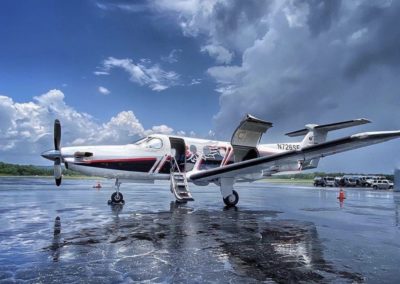
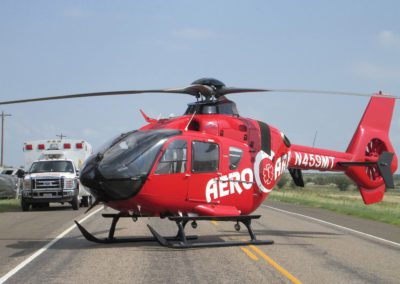
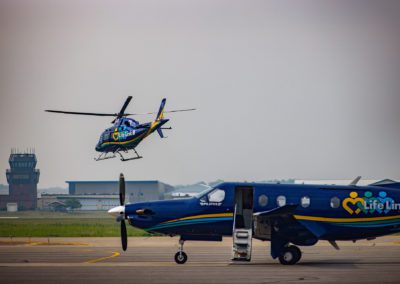
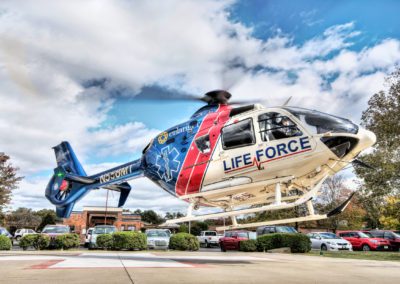
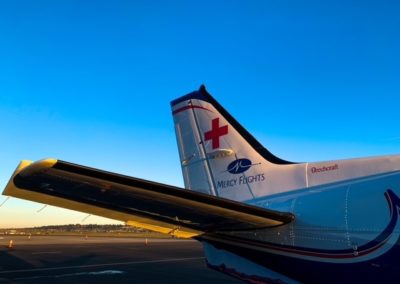
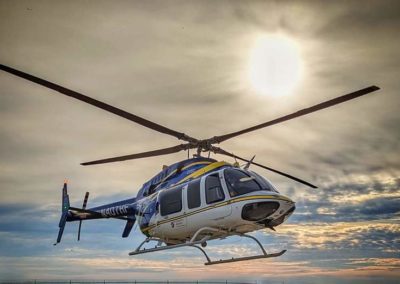
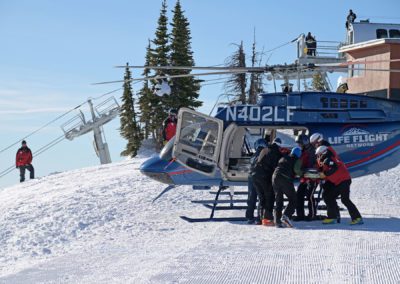
AMOA was formally incorporated in 2009 following the unacceptable number of air medical helicopter accidents in 2007 and 2008.
Air medical industry leaders decided to form a nonprofit association to represent Part 135 certificate holders engaged in emergency medical services. Those industry leaders pledged to provide the safest possible aviation environment for transporting patients and the medical crews that care for those patients.
The founders of AMOA committed to work together to raise the bar on safety. Safety is our core value and is the fundamental underpinning for everything we do.
AMOA members are committed to providing the safest possible aviation environment for transporting patients and the medical crews that care for those patients.
-
- Today, we have 20 operators that operate over 1200 aircraft.
- We employ 5000 pilots, 600 physicians, 5500 nurses, 5500 paramedics and transport more than 300,000 patients annually.
Since its inception, AMOA has worked to raise the bar on safety.
-
- A key tenet is to encourage cooperation between regulators and the air medical community. We are committed to supporting viable and effective regulations to ensure safe transportation.
- AMOA works with Congress, the FAA, the DOT, the NTSB and, perhaps most importantly, among the individual operators to improve safety. By working amongst members on both technical and regulatory issues, AMOA continues to lead efforts to enhance industry safety.
AMOA’s members are committed to ongoing industry improvements in safety.
In the past ten years, we have invested over $1 billion in safety enhancements – some of these enhancements grew out of legislation and regulations, but many of them are voluntary initiatives. Those enhancements include:
-
- Oversight initiatives such as Operational Control Centers and Satellite tracking
- Safety Management Systems
- Training initiatives
- Enhanced technology such as FDM, HTAWS and Night Vision Systems
- Installation of ADS-B equipment and Crash Resistant Fuel System modifications.
AMOA has been active proponent to include rotorcraft in the Aviation Infoshare, and AMOA members spearheaded the first rotorcraft breakout session in 2019. Additionally, AMOA advocated for an ASIAS program for rotorcraft, and AMOA members now serve leadership roles in the formation of the helicopter ASIAS. AMOA and its members have served on FAA ARACs and ARCs including the Rotorcraft Occupant Protection Working Group and the Part 135 Pilot Rest and Duty ARC.
The first civilian hospital based medical helicopter program in the US began operations in 1972. The 1970s also saw the creation of the EMS systems act and a national curriculum established by DOT for first responder EMT and paramedics The industry has continued to grow and today over 360,000 patients are transported annually by helicopter air ambulance – that translates to 1 in 1000 U.S. citizens being transported each year by helicopter medical transport.